
Home / About / Blog / Books / Podcast / YouTube
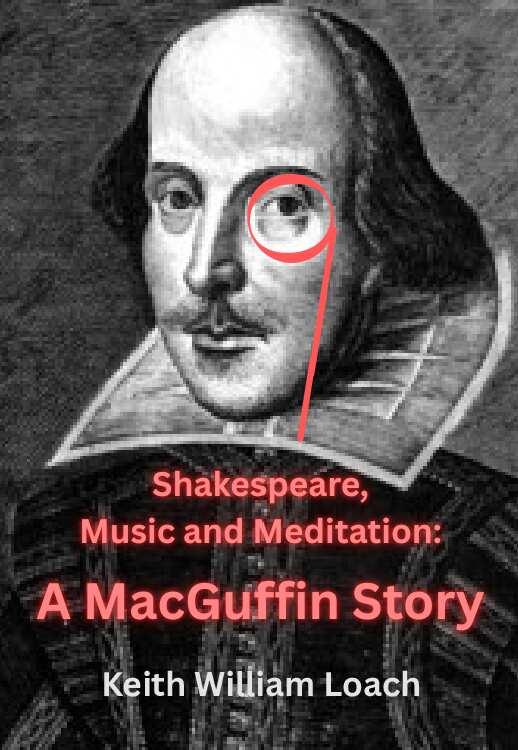
Shakespeare, Music and Meditation: A MacGuffin Story is an essay about critical thinking, fake news, education, financial-industry MacGuffins, and how The Arts can help (includes musical score for Sonnet 25 – All You Need Is Love).
Download PDF here.
Shakespeare Sonnets
4-Part Vocal Scores
Renaissance style, a cappella, dorian mode, fauxbourdon
Shakespeare, music, meditation, mental health
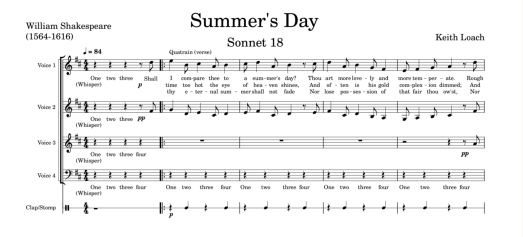
View / Listen / Download / Purchase PDF Scores
Summer’s Day (Sonnet 18)
All You Need Is Love (Sonnet 25)
When In Disgrace (Sonnet 29)
Eyes Shut See Thee (Sonnet 43)
True Minds (Sonnet 116)
Earth Angel (Sonnet 130)
They Bad (Sonnet 147)
Compleat list with Hal Leonard @ www.sheetmusicdirect.com (search Loach)
* Download All You Need Is Love (Sonnet 25)
* Free PDF here !
* Download Sonnet Series Lecture Notes
* Free PDF here !
Audio Accompaniment
William Shakespeare (1564-1616) was born into the peak of the Renaissance era. Music at that time (one hundred years pre-Bach) used modes and one of the most popular was the Dorian Mode (used here) based on the second degree of the major scale. Renaissance music also featured a compositional technique called Fauxbourdon, which uses a parallel harmony that follows the melody one sixth below.
These a cappella arrangements of Shakespeare sonnets attempt to stay true to the style of music in use and popular at the time. Shakespeare wrote 154 sonnets, all of which were written in iambic pentameter and contain fourteen lines of text comprised of three quatrains (verses/descriptives) and one couplet (conclusion/resolution). The quatrains here play on the iambic pentameter rhythm in a 3-beat pattern over a 4/4 time signature.
MUSIC AND MENTAL HEALTH
-Non-invasive, non-chemical, community-based, artistically-driven solutions
-Shakespeare, Music and Meditation – LIVE, LAUGH, LOVE
-Sing-a-long / read-a-long
-Get involved, support community, be healthy, join a choir
Choirs & Community
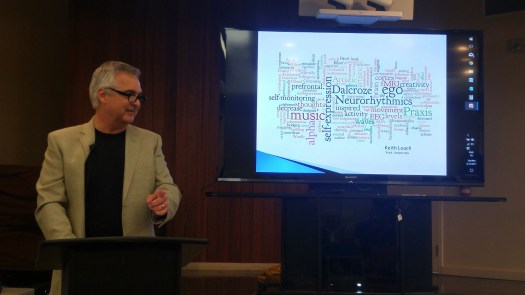
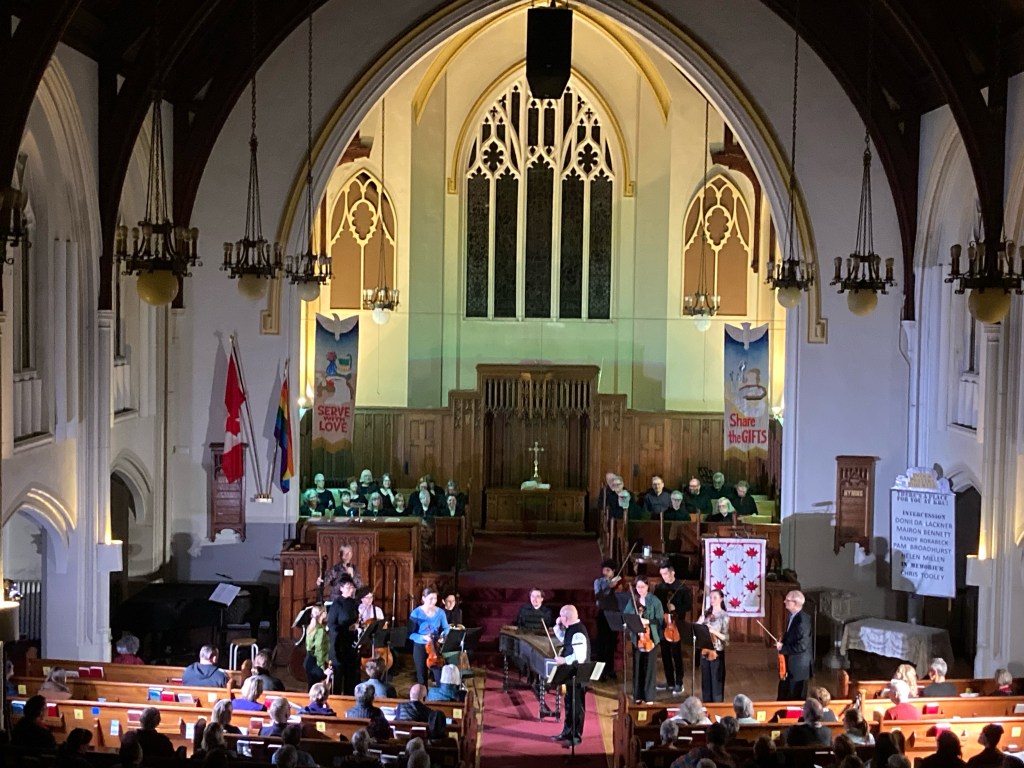
Mark Fewer, TSO, TSYO, KRU Choir
University of Toronto Faculty of Music teachers and students
The Four-Way Test of the things we think, say or do.
1. Is it the truth?
2. Is it fair to all concerned?
3. Will it build good will and better friendships?
4. Will it be beneficial to all concerned?
In memory of Roy Loach (Sept 13, 1928 – Feb 17, 2020)
 Keith Loach